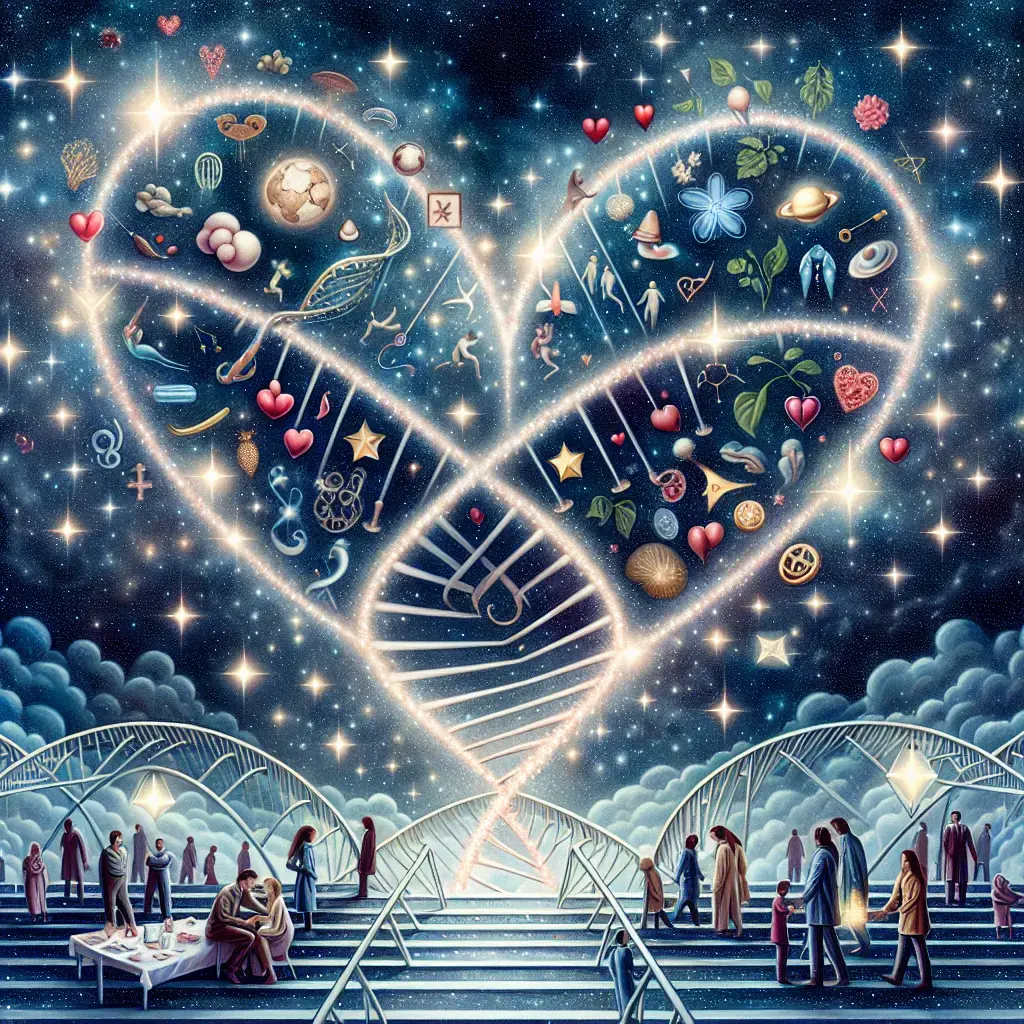
The Science of Attraction and Its Impact on Finding Love
In the intricate dance of human attraction and love, understanding the science of attraction offers profound insights into what draws people together. Whether it's the invisible pull of biological attraction or the spark ignited by emotional and physical attraction, these forces significantly impact how we go about finding love. At the heart of attraction psychology lies a complex web of factors—chemistry of love, subconscious attraction, and romantic attraction—that not only fuel initial interest but also nurture lasting love connections.
Exploring the Dynamics of Attraction
The dynamics of attraction science reveal how our perceptions of love and relationships are shaped by both evolutionary psychology and social psychology of love. From the physical attraction that triggers an immediate response to the nuanced layers of love psychology, each aspect contributes to the attraction theory that defines human interaction. Relationship science dives deeper into how these elements affect love compatibility and relationship success.
The Impact of Attraction on Relationships
The impact of attraction on relationships cannot be underestimated, as it influences not only who we are drawn to but also how those connections evolve over time. Attraction factors such as physical allure, emotional resonance, and biological instincts all play a role in the subconscious attraction that guides our romantic choices. Moreover, attraction research continues to shed light on how the chemistry of love and attraction factors intertwine to forge enduring bonds.
Unpacking the Chemistry of Love
The chemistry of love is an intriguing aspect of attraction psychology. Research in relationship science shows that chemical processes in our brains, such as the release of dopamine, oxytocin, and serotonin, play a significant role in feelings of attraction and attachment. These neurotransmitters create a sense of pleasure, bonding, and well-being when we're with someone we find attractive. The science of attraction suggests that these biological responses can be as powerful as the emotional and physical attractions we experience.
A recent study highlighted in Psychology Today illustrates how these chemicals can influence our perceptions of potential partners, often leading us to overlook flaws or differences in the early stages of a relationship. This underscores the importance of understanding these processes as part of the broader attraction dynamics that govern human relationships.
The Role of Emotional and Physical Attraction
Emotional attraction goes beyond surface-level connections, fostering deeper bonds based on shared values, empathy, and understanding. It's this type of attraction that often sustains long-term relationships. Physical attraction, while immediate and visceral, is typically what draws people together initially. It acts as a catalyst for romantic attraction but must be accompanied by emotional connection for a relationship to thrive.
The story of Teifi Rowlands, who found empowerment through drag after battling cancer, exemplifies how emotional attraction can transcend physical appearances. As detailed in The Guardian, Rowlands' journey highlights how overcoming personal struggles can lead to profound emotional connections with others, enhancing the chemistry of love.
Exploring Subconscious Attraction and Evolutionary Psychology
Subconscious attraction plays a crucial role in our romantic decisions, often guided by evolutionary psychology principles. Our ancestors developed preferences for traits that signaled good health and reproductive viability, which continue to influence our attraction factors today. As noted in a study from Scientific American, these subconscious cues often drive our initial attractions without us even realizing it.
This understanding helps explain why certain traits are universally considered attractive across cultures and time periods. It also sheds light on why we might feel an unexplainable pull towards specific individuals—our subconscious is hard at work assessing compatibility based on these deep-seated evolutionary preferences.
Social Psychology's Influence on Love and Relationships
The social psychology of love examines how societal norms and cultural narratives shape our expectations and experiences in relationships. Social influences can dictate what we perceive as desirable or appropriate in a partner, impacting our subconscious attraction. For example, societal pressures can lead individuals to prioritize certain traits over others when seeking love.
The recent story of Jessica Stevens meeting her boyfriend while waiting in line for Queen Elizabeth II's lying in state underscores the role of social contexts in facilitating unexpected connections (BBC News). Their story illustrates how shared experiences and environments can foster romantic attraction, even in the most unlikely circumstances.
The Impact of Attraction on Relationship Success
Attraction factors like physical allure, emotional resonance, and biological instincts do more than just initiate relationships—they influence their longevity and success. Attraction research has shown that couples with strong initial chemistry tend to have more fulfilling relationships. However, the sustainability of these connections often hinges on emotional compatibility and mutual understanding.
A fascinating piece from Harvard Business Review emphasizes the importance of maintaining attraction over time through shared interests and goals. It suggests that regularly engaging in new activities together can rekindle the chemistry of love that brought partners together initially.
Enhancing Your Approach to Finding Love
Understanding the dynamics of attraction can significantly enhance your approach to finding love. Recognizing the interplay between biological attraction and emotional connection allows for more informed choices when navigating romantic landscapes. Moreover, being aware of the social psychology of love helps individuals manage expectations and cultivate healthier relationships.
As technology evolves, so too do our methods for finding love. The recent announcement of ChatGPT's new voice mode (TechCrunch) reflects how artificial intelligence continues to influence dating landscapes by offering new ways to connect with potential partners.
Conclusion: Navigating Love's Complex Web
The science of attraction provides a rich tapestry of insights into the complexities of finding love. By exploring the chemistry of love alongside emotional and physical attractions, we gain a deeper understanding of how these elements contribute to lasting love connections. Whether it's through subconscious attraction guided by evolutionary instincts or social cues shaped by cultural narratives, these dynamics play a critical role in our love lives.
As we continue to unravel the mysteries behind human attraction, leveraging this knowledge can empower us to make more meaningful connections and cultivate relationships that not only begin with passion but are sustained by mutual respect and understanding. By embracing both the scientific and emotional aspects of love and relationships, we open ourselves up to a more profound experience of finding love in today's complex world.
Conclusion: Embracing the Science of Love
As we navigate the intricate dance of love and attraction, understanding the underlying science can empower us to form deeper, more meaningful connections. Here are the key takeaways:
Key Points Recap:
Biological Chemistry:
- Neurotransmitters like dopamine, oxytocin, and serotonin significantly influence our feelings of attraction and attachment.
- These chemical processes can sometimes cause us to overlook potential red flags in the early stages of a relationship.
Emotional and Physical Attraction:
- While physical attraction initiates connections, emotional attraction is crucial for long-term relationship sustainability.
- Emotional bonds often stem from shared values and empathy.
Subconscious Attraction:
- Evolutionary psychology highlights our subconscious preference for traits indicating good health and compatibility.
- These ingrained instincts can explain inexplicable attractions to certain individuals.
Social Influences:
- Cultural narratives and societal norms shape our romantic ideals and partner preferences.
- Unexpected social settings can foster unique romantic connections.
Sustaining Relationship Success:
- Maintaining attraction through shared activities and goals is vital for relationship longevity.
- Initial chemistry contributes to relationship satisfaction but must be paired with emotional compatibility.
Closing Thought:
By recognizing the interplay between biology, emotions, and societal influences, we can make more informed choices in love. This understanding not only enriches our romantic experiences but also prepares us to cultivate lasting relationships built on respect and mutual understanding.
I invite you to reflect on your own experiences with attraction. What factors have played a pivotal role in your relationships? Share your insights and join the conversation in the comments below.
With love and curiosity,
Olivia Morgan